



Cloud‑Based Color Management Software
A White Paper for Print and Packaging Professionals
Executive Summary
As print and packaging workflows become increasingly complex—spanning multiple presses, substrates, inks, locations, and stakeholders—maintaining color consistency has grown more challenging. Cloud‑based color management software has emerged as a practical solution, enabling centralized color standards, objective quality control, and real‑time collaboration across the print production ecosystem. This white paper introduces cloud-based color management software, who it is designed for, how it works, why it is becoming essential, and how solutions such as Techkon’s ChromaQA fit into this evolving landscape.
What Is Cloud‑Based Color Management Software?
Cloud‑based color management software is a system in which color standards, spectral measurement data, tolerances by substrate, and reports are stored on non-local hosted servers rather than on‑premise computers. Users access the software via the internet, allowing consistent color data to be shared and applied across departments, facilities, and even global supply chains.
In the print and packaging industry, this approach replaces fragmented, machine‑specific, or user‑specific color files with a single source of truth for color standards and quality expectations. Cloud‑based systems reduce subjectivity by relying on numerical color data—such as ΔE, density, TVI, and spectral curves—rather than visual judgment alone.
Who Is Cloud‑Based Color Management For?
Cloud‑based color management is relevant to a wide range of print industry stakeholders:
- Packaging and commercial printers managing multiple presses, substrates, and print standards who need consistent results across shifts and locations.
- Ink rooms and ink suppliers responsible for ink formulation, batch verification, and consistency before inks reach the press.
- Brand owners and quality managers who require transparent, documented proof that production output meets defined tolerances and industry standards.
- Converters and label printers working with high volumes of spot colors and brand‑critical packaging where repeatability is essential.
How Does Cloud‑Based Color Management Work?
Cloud‑based color management systems typically function through the following process:
- Color Standards Are Defined Centrally
Color standards (e.g., spot colors, brand colors, ISO or G7 targets) are created, stored, and managed in a cloud‑hosted library. These standards can be substrate‑ and process‑dependent.
- Color Is Measured Objectively
Operators measure ink drawdowns, press sheets, or printed samples using spectrophotometers. Measurement data is uploaded directly to the cloud software.
- Data Is Compared in Real Time
The system automatically compares measured values to the stored standard and generates pass/fail results using defined tolerances such as ΔE. This removes visual bias from decision‑making.
- Feedback and Reporting Are Shared Instantly
Results, trends, and reports are immediately available to press operators, ink technicians, managers, and brand stakeholders—regardless of location.
Why Do You Need Cloud‑Based Color Management?
Traditional, locally installed color management systems often create silos of color data. This can lead to inconsistent standards, longer make‑readies, increased waste, and disputes over color accuracy.
Cloud‑based color management addresses these challenges by:
- Eliminating multiple versions of color standards
- Providing objective proof of compliance
- Enabling remote oversight and collaboration
- Supporting consistent color across presses, plants, and print runs
Cloud‑based systems shift color decisions from subjective judgment to data‑driven evaluation, improving consistency and process control across repeated jobs and production sites.
Benefits of Cloud‑Based Color Management Software
Key benefits commonly associated with cloud‑based color management include:
- Improved color consistency through centralized standards and tolerances
- Reduced waste and faster make‑readies by identifying color issues earlier in production
- Enhanced transparency for brand owners and quality teams via shared dashboards and reports
- Scalability for multi‑site or growing operations without complex local IT infrastructure
- Data‑driven continuous improvement by analyzing trends across jobs, presses, and time
Cost Considerations: It Doesn’t Have to Be Expensive
Cloud‑based color management software does not necessarily require large upfront investments. Compared to traditional on‑premise systems, cloud solutions often reduce costs by minimizing local server infrastructure, simplifying updates, and allowing scalable licensing models.
Some platforms, like ChromaQA, offer tiered solutions suitable for small, mid‑size, and enterprise printers—making advanced color management accessible without excessive complexity or capital expense.
Example: Techkon ChromaQA in a Cloud‑Based Color Management Workflow
Techkon’s ChromaQA is an example of a cloud‑hosted color quality platform designed specifically for print and packaging workflows:
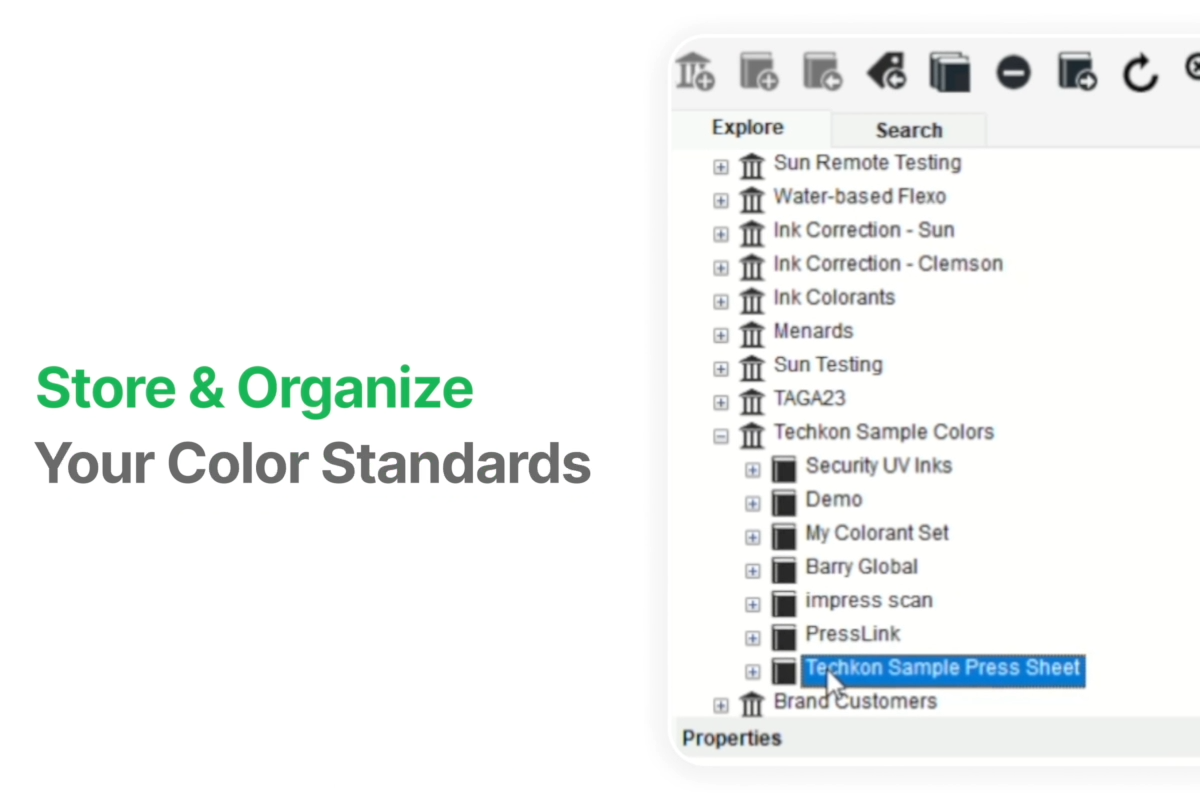
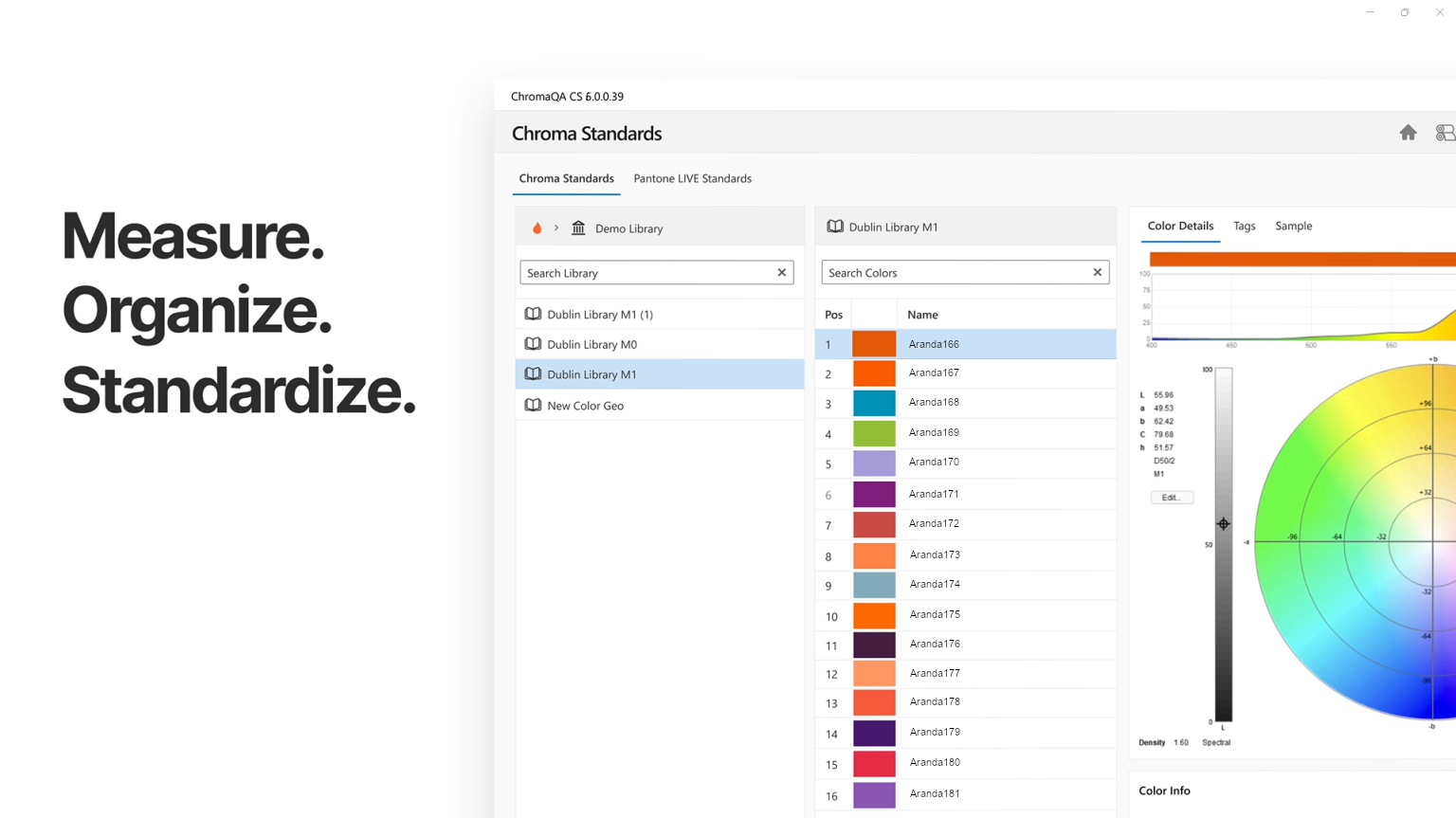
- ChromaQA stores live, cloud‑based color libraries accessible across multiple locations.
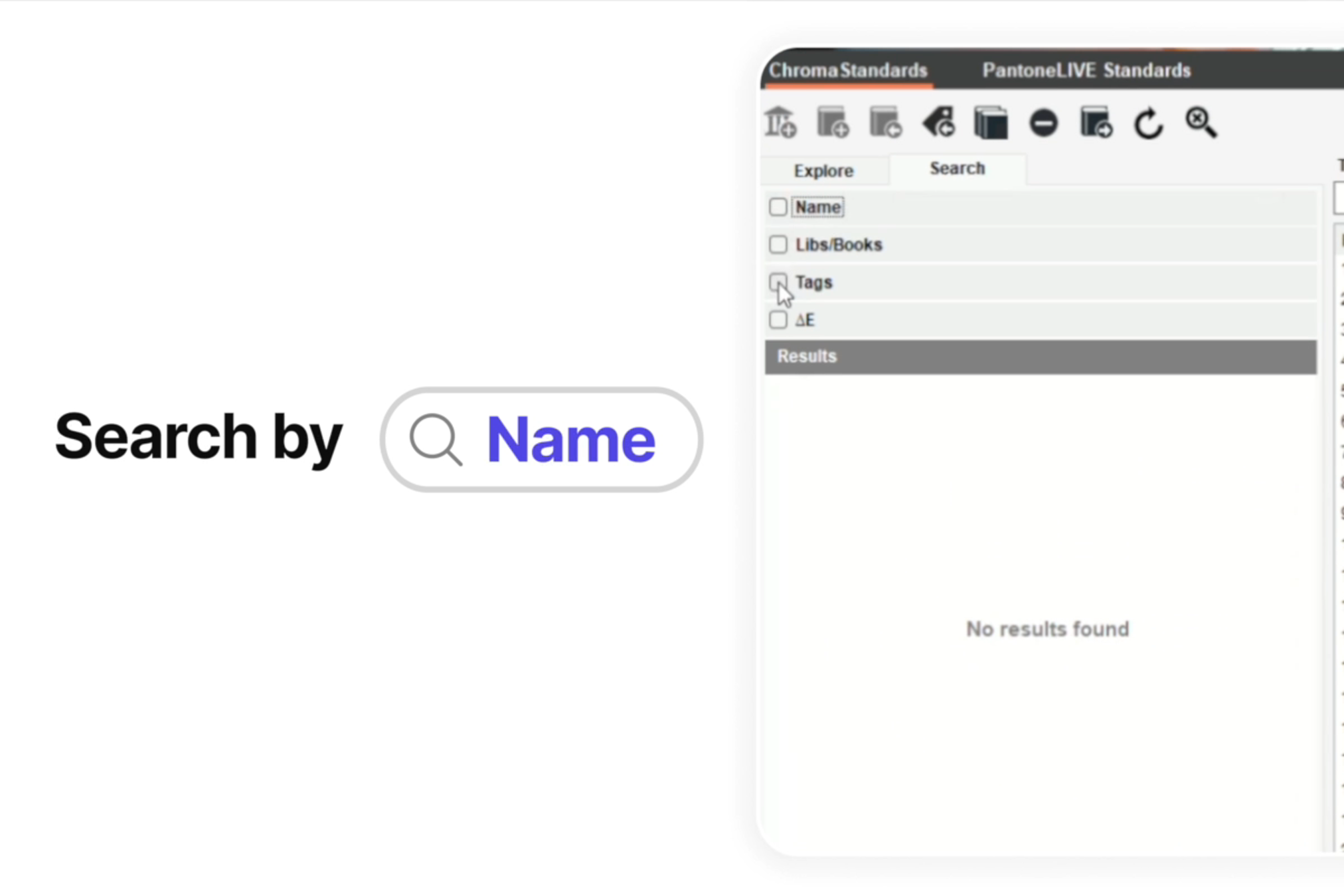
- Search and locate colors by Name, Custom Tags, and even ∆E matching tolerances.
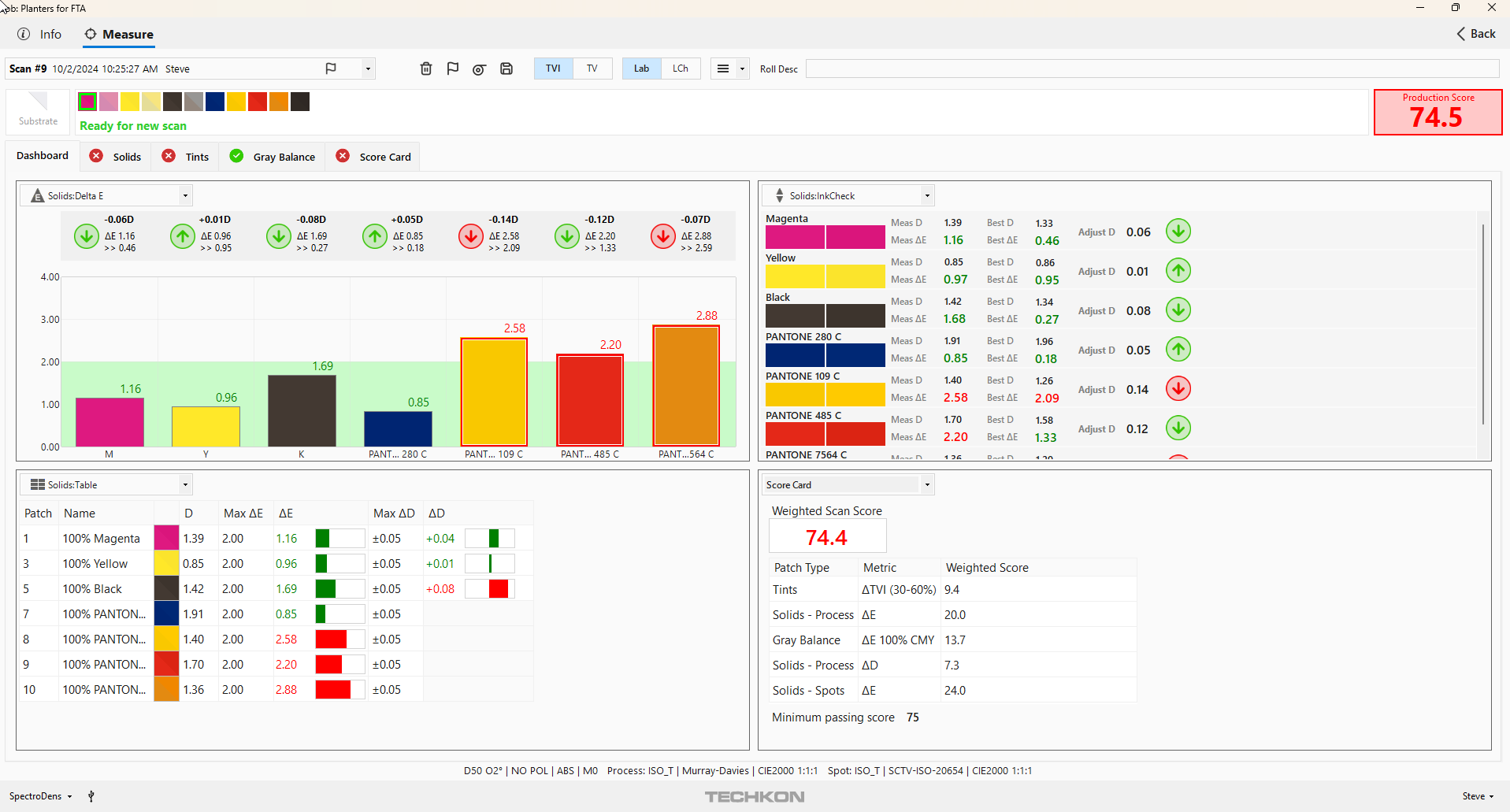
- Operators receive clear pass/fail feedback based on defined tolerances rather than subjective evaluation.
- Ink rooms can verify ink batches before press, reducing downstream corrections and waste.
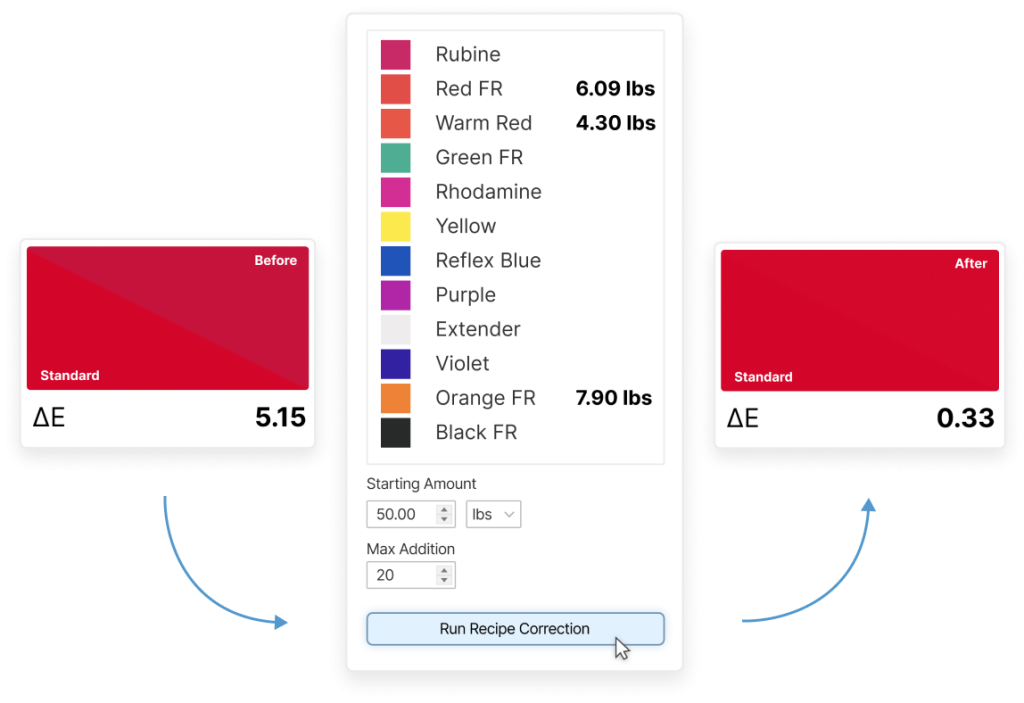
- ChromaQA with SmartInk’s ink toning engine with SmartAnilox compensation instantly provides ink recipe corrections to press operators.
- Reporting tools enable quality managers and brand stakeholders to review compliance data remotely.
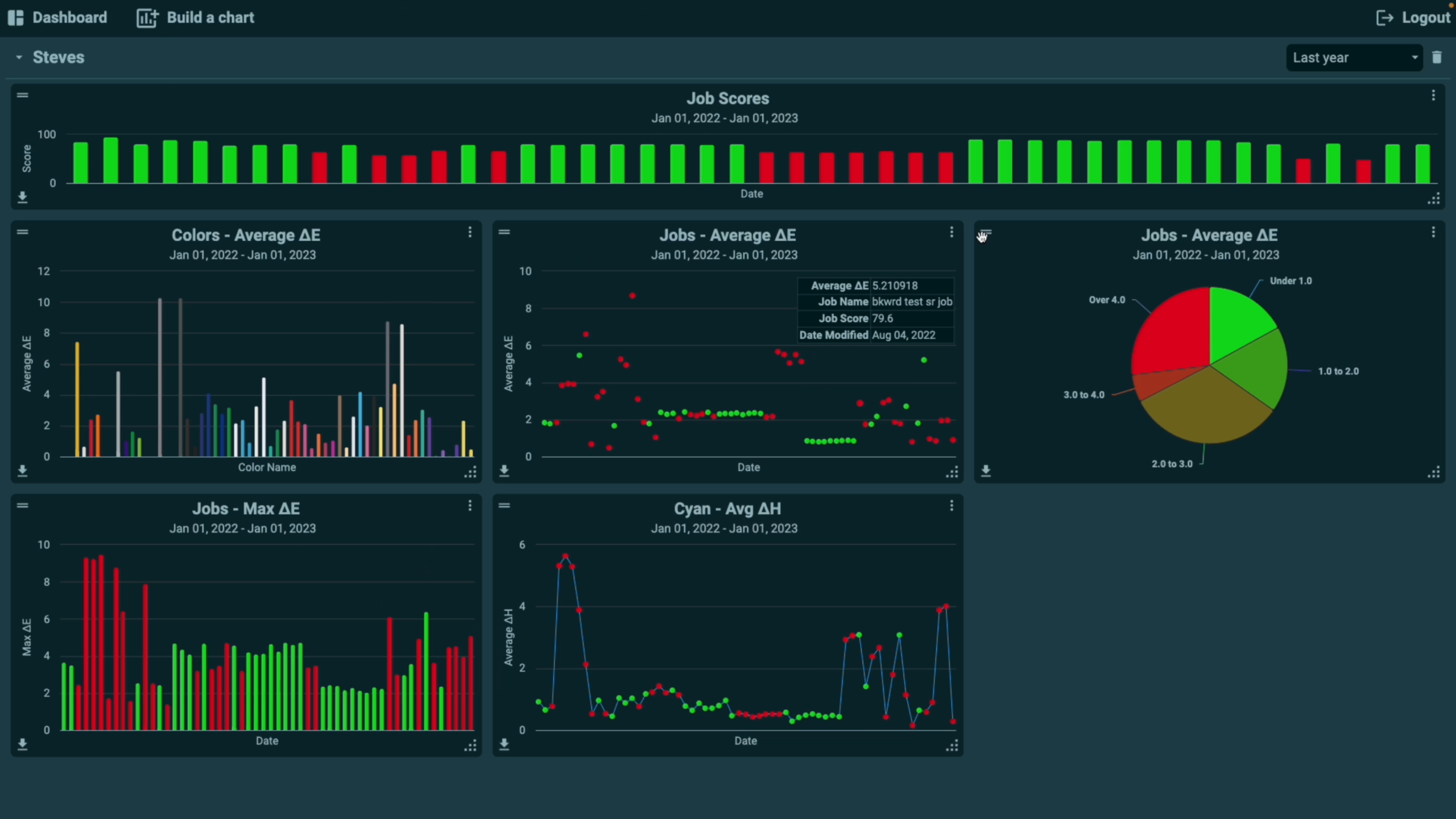
This type of architecture illustrates how cloud‑based color management supports modern, distributed print production environments without requiring extensive local IT resources.
Conclusion
Cloud‑based color management software represents a fundamental shift in how color quality is defined, controlled, and communicated in the print and packaging industry. By centralizing standards, relying on objective measurement, and enabling real‑time access to color data, cloud solutions help printers, brands, and suppliers achieve greater consistency, efficiency, and confidence in color results.
As printing operations continue to evolve, cloud‑based color management is becoming less of a luxury and more of an operational necessity.